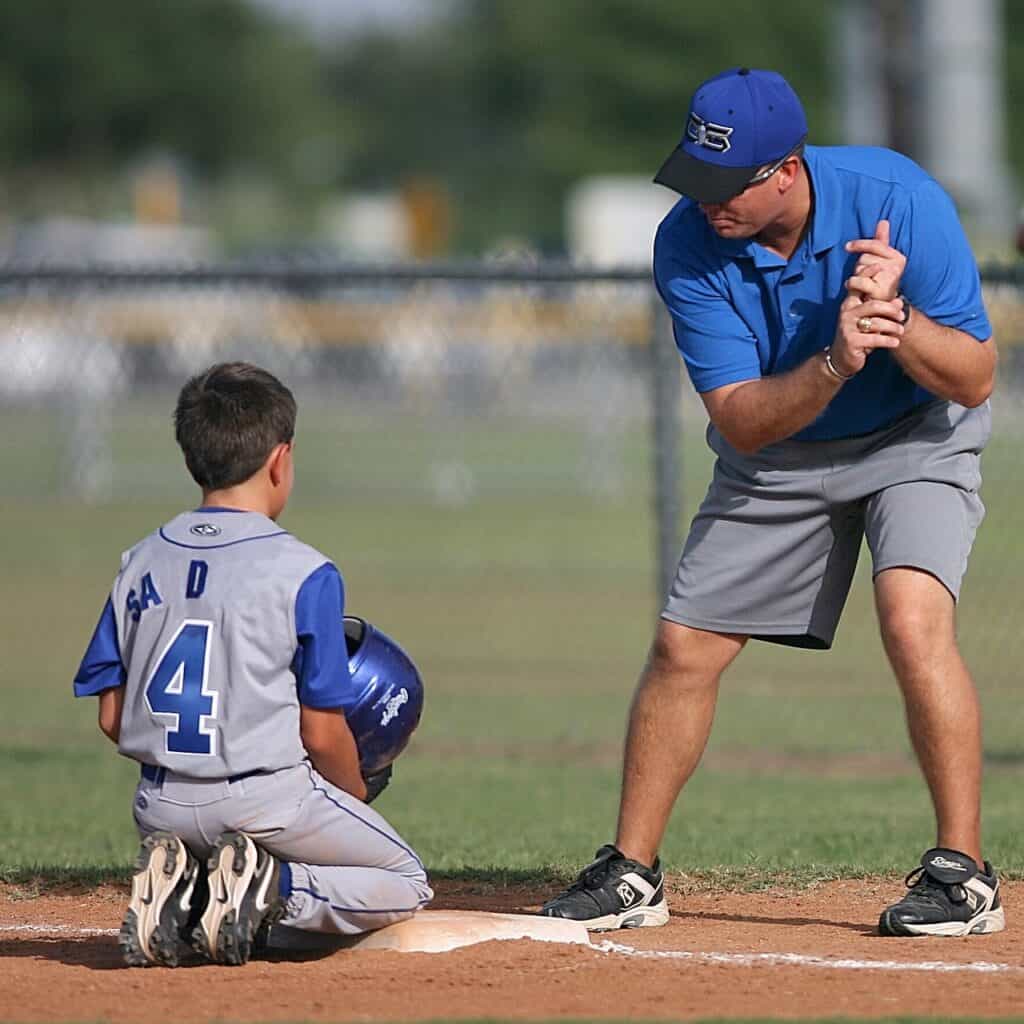
I coached youth baseball for many years.
And there was something I used to tell my players.
The day I stop getting on you is the day you should start worrying.
It wasn’t because I enjoyed yelling at kids.
It was because I believed in them.
I saw potential. I wanted them to improve. I wanted them to become better players than they thought they could be.
And sometimes that meant telling them things they didn’t particularly want to hear.
Of course, good coaching requires more than criticism.
It requires encouragement. Patience. Compassion. A whole lot of praise.
And sometimes an apology when the coach gets it wrong.
But the message was simple.
Being challenged didn’t mean you weren’t valued. Sometimes it meant precisely the opposite.
One of the things my wife and I have struggled with during our estrangement is the accusation that our love was conditional.
I’ve thought about that a lot.
Because I wonder if we’ve begun confusing two very different things.
Unconditional love and unconditional niceness.
They’re not the same.
I can love you and disagree with you.
I can love you and be disappointed.
I can love you and get angry.
I can love you and tell you something you don’t want to hear.
None of those things, by themselves, means my love has disappeared.
Love is not the absence of conflict.
And agreement is not proof of love.
Now, I need to be careful here.
Because there’s a difference between challenging someone and hurting them.
Yelling isn’t automatically an expression of love simply because the person doing the yelling believes it is.
I coached kids. I know there were probably times I could have delivered a message better.
And I’m certain there were times as a father when I could have done the same.
Good intentions don’t erase the impact of our words.
But neither does a poorly delivered message automatically erase the love behind it.
Both things can be true.
I can regret how I said something without regretting that I cared enough to say it.
I can apologize for raising my voice without agreeing that my love was conditional.
Maybe we’ve made unconditional love an impossible standard.
One where love must always be patient, always agreeable, always gentle, and never uncomfortable.
But that’s not unconditional love.
That’s unconditional nice.
And I’m not sure unconditional nice is even particularly loving.
Sometimes love tells the truth.
Sometimes love disagrees.
Sometimes love establishes boundaries.
Sometimes love says no.
And sometimes love gets frustrated because human beings are imperfect, even when their love is genuine.
The question shouldn’t always be whether we got angry.
Maybe it should be:
What happened to our love when we did?
Did it disappear?
Was it withdrawn as punishment?
Did we stop caring?
Or did we remain committed to the person even when we were unhappy with their choices?
Because that’s where I think unconditional love actually lives.
Not in never being upset.
But in not making our love dependent on never being upset.
I don’t expect my son to agree with everything I’ve done.
I don’t expect him to pretend my words never hurt.
And I certainly don’t expect him to accept every expression of my love as a healthy one simply because I intended it that way.
But I hope someday he can separate two things.
The way I sometimes expressed my love.
And whether that love existed in the first place.
One may have been imperfect.
The other was never conditional.
I didn’t always get the coaching right.
I didn’t always get the parenting right.
But I never stopped loving the player.
And I never stopped loving my son.


Leave a Reply