I recently wrote about Rick Ankiel and the power of second chances.
Ankiel’s career as a pitcher famously fell apart. But baseball gave him something incredibly valuable.
Time.
Time to struggle.
Time to change.
Time to become something different.
And eventually, another chance.
His story made me think about how different our lives can become when someone is willing to say:
Let’s see what’s possible now.
But there’s another story I’ve been thinking about.
This one doesn’t have that ending.
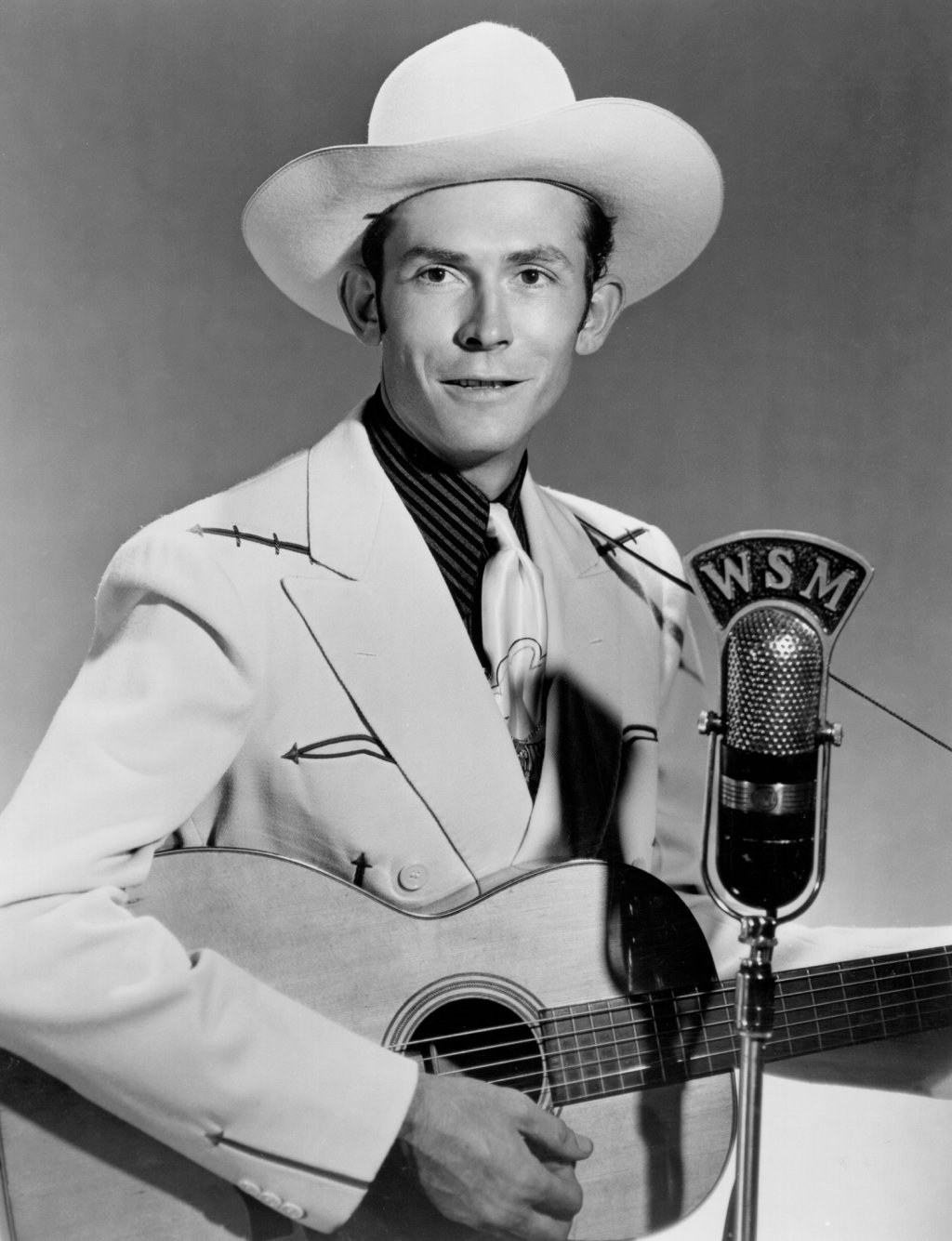
In 1949, Hank Williams made his Grand Ole Opry debut.
He sang Lovesick Blues and was reportedly called back for six encores.
He had arrived.
Three years later, the Opry fired him.
And they had reasons.
Hank’s drinking and drug use had become serious problems. He missed performances. He had become unreliable.
The Opry drew a boundary.
You can’t keep doing this and perform here.
What fascinates me is that the decision apparently wasn’t intended to be permanent.
The hope was that Hank would get himself together and eventually return.
In other words:
Not like this. Not right now. Maybe someday.
There’s an old Waylon Jennings and Hank Williams Jr. song called The Conversation.
In it, Hank Jr. talks about his father being fired from the Opry and describes it as causing him his “greatest pain.”
That line hits differently when you know what happened next.
Hank Williams didn’t get better.
His health deteriorated. His drinking and drug use continued.
And less than five months after the Opry fired him, he died.
He was 29.
The boundary that apparently meant “not yet” became “never.”
Years later, Grand Ole Opry executive Dan Rogers talked about Hank.
He said that if Hank had lived, there was little doubt in his mind that he would have eventually returned to the Opry.
He imagined everything becoming, in his words, “great and right in the world.”
I love that phrase.
And I hate it.
Because everybody can see the ending that should have happened.
Hank gets himself together.
He comes back.
He walks onto that stage again.
The crowd erupts.
Maybe there’s forgiveness.
Maybe there’s redemption.
Maybe everybody gets another chance.
Except they didn’t.
They ran out of time.
I don’t think the lesson is that the Opry was wrong.
That’s what makes this story so difficult.
Sometimes boundaries are necessary.
Sometimes someone really does need to change.
Sometimes distance may be the right decision.
But Hank Williams makes me wonder about something else.
How often do we make those decisions assuming there will be time to revisit them?
Another Christmas.
Another birthday.
Another phone call.
Another conversation.
Another opportunity to say, Let’s see what’s possible now.
We say maybe someday as though someday is waiting patiently for us.
It isn’t.
Rick Ankiel got another at-bat.
Hank Williams didn’t.
And maybe that’s the uncomfortable companion to everything I wrote about second chances.
It’s wonderful when someone gives us one.
But sometimes the question isn’t whether someone deserves a second chance.
It’s whether we’ll still have the opportunity to give one.
“Not yet” and “never” are very different boundaries.
The frightening part is that sometimes we don’t get to decide which one we’ve chosen.


Leave a Reply